What Do Lizards Look Like?
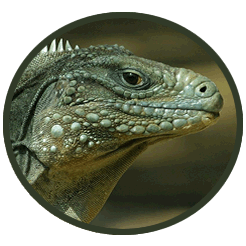
Lizards are incredibly diverse! They come in almost every color and size imaginable. Most lizards have four legs, a long tail, and scaly skin, but there are many exceptions!
Lizards range from tiny to huge! The smallest is the dwarf gecko at only 0.6 inches long - it could curl up on a dime! The largest is the Komodo Dragon, which can grow 10 feet long and weigh 365 pounds - as heavy as a gorilla!
Most lizards have four legs, but not all! Some lizards, like glass lizards and slow worms, have no legs at all and look like snakes. The difference? Lizards have eyelids and external ear openings; snakes don't!
Lizard tails are special! Many lizards can drop their tails when grabbed by predators. The tail keeps wiggling, distracting the predator while the lizard escapes! The tail grows back over time, though the new one is usually shorter. This amazing ability is called autotomy.
Lizards come in amazing colors! Some are brown or green for camouflage. Others are bright blue, red, orange, or yellow. Chameleons can change colors! Gila Monsters have warning colors of black and pink or orange - telling predators "I'm dangerous!"
Popular lizard types include:
- Geckos - Small, can climb walls, some have sticky toe pads
- Iguanas - Large, mostly herbivores, have impressive dewlaps (throat flaps)
- Chameleons - Color-changing, can move eyes independently, long sticky tongues
- Monitors - Large predators, includes Komodo Dragons
- Anoles - Small, common in gardens, males have colorful throat fans
- Skinks - Smooth, shiny scales, many have blue tails
Where Do Lizards Live?
Lizards live almost everywhere! They're found on every continent except Antarctica. Lizards have adapted to live in deserts, rainforests, mountains, grasslands, and even cities!
Most lizards love warm climates! As cold-blooded animals, lizards depend on their environment to regulate body temperature. You'll find the most lizard species in tropical and subtropical regions.
Desert lizards handle extreme heat! Fringe-toed lizards run across hot sand using fringed toes like snowshoes. They dive into sand to escape heat. Thorny Devils in Australia have special skin channels that collect dew and direct water to their mouths!
Rainforest lizards live in trees! Many rainforest lizards, like anoles and tree monitors, spend their entire lives in the canopy. They have special adaptations like prehensile tails for gripping branches.
Some lizards are excellent climbers! Geckos have special toe pads covered in millions of tiny hairs. These hairs use molecular forces to stick to surfaces - geckos can even walk upside down on ceilings!
A few lizards live in or near water! Marine iguanas of the Galapagos Islands swim in the ocean to eat seaweed. Water dragons and basilisks live near rivers. Basilisks can even run across water on their hind legs!
Many lizards are solitary! Unlike social animals, most lizards live alone. They only seek out other lizards during mating season. Some species, like fence lizards, defend territories from other lizards.
What Do Lizards Eat?
Different lizards eat different things! Lizard diets are incredibly varied.
Carnivorous lizards eat:
- Insects (crickets, beetles, flies)
- Spiders and scorpions
- Worms and snails
- Other lizards
- Small mammals and birds (large species)
Herbivorous lizards eat:
- Leaves and flowers
- Fruits and berries
- Cacti and succulents
- Algae and seaweed (marine iguanas)
Omnivorous lizards eat both:
- Insects and plants
- Fruits and small prey
- Whatever is available!
Most small lizards eat insects! Lizards are excellent pest controllers. A single lizard can eat hundreds of mosquitoes, flies, and other bugs. This makes them helpful to have around!
Chameleons have incredible tongues! A chameleon's tongue can be longer than its body. It shoots out at lightning speed - faster than a human eye can follow - and catches prey with a sticky tip. The entire strike takes less than a second!
Large monitors are fierce predators! Komodo Dragons hunt deer, pigs, and even water buffalo! They have venomous bites and powerful jaws. After biting prey, they follow it until venom and bacteria cause the animal to weaken.
Green iguanas are vegetarians! Adult green iguanas eat mostly leaves, flowers, and fruits. Having a diet of tough plants requires a long digestive system and special bacteria in their guts to break down plant material.
Some lizards barely drink water! Desert lizards like horned lizards get most water from their food. Others, like Thorny Devils, collect morning dew on their skin. The water channels to their mouths through tiny grooves between scales!
Baby Lizards
Baby lizards are called hatchlings. How they're born depends on the species!
Most lizards lay eggs! Mother lizards bury eggs in sand, soil, or hidden spots. Depending on species, they lay 1-50+ eggs. Most lizards leave after laying eggs - the babies are on their own from hatching!
Some lizards give live birth! About 20% of lizard species give birth to fully-formed babies instead of laying eggs. This is common in species living in cold climates where eggs might not survive. Baby lizards are born in a thin membrane that breaks immediately.
Lizard eggs aren't like bird eggs! Most lizard eggs have soft, leathery shells, not hard shells. They absorb water from the environment and grow larger before hatching. Gecko eggs are hard though - they feel like tiny ping pong balls!
Baby lizards have an egg tooth! This tiny, sharp tooth on their snout helps them break through the shell. The egg tooth falls off shortly after hatching - it's only needed once!
Hatchlings are independent! Baby lizards don't get parental care in most species. They're born knowing how to hunt, hide, and survive. Within hours of hatching, they're searching for food!
Some lizards DO care for babies! Skinks are exceptions - mothers guard eggs and even stay with hatchlings for a while. They keep eggs clean and protect them from predators. This is unusual behavior for lizards!
Baby lizards are vulnerable! Birds, snakes, larger lizards, and mammals hunt baby lizards. Most don't survive to adulthood. Those that do usually take 1-3 years to reach full size, depending on species.
Growth varies by species! Small geckos might reach adult size in months. Large iguanas take several years. Komodo Dragons take 8-9 years to reach full size and can live 30+ years!
Why Are Lizards Special?
Lizards are designed with incredible adaptations! From color-changing chameleons to water-running basilisks to ceiling-walking geckos, lizards show amazing diversity. They've successfully adapted to almost every environment on Earth!
Lizards are important pest controllers! They eat enormous quantities of insects. A single lizard can eat hundreds of mosquitoes, flies, roaches, and other pests. Having lizards around helps control bug populations naturally!
Lizards are prey for many animals! They're crucial food sources for snakes, birds, mammals, and larger lizards. Lizards are important links in food chains, connecting insects to larger predators.
Many lizard species are threatened! Habitat loss and introduced predators (like rats and cats) threaten lizards worldwide. Some species, like the St. Lucia whiptail, are critically endangered with very few individuals left.
Learning about lizards helps everyone! Understanding lizards makes us appreciate biodiversity. By protecting lizard habitats, we preserve entire ecosystems. Next time you see a lizard, watch it for a moment - you'll see incredible behaviors!